Sale Price:
$55.00
Original Price:
$77.00
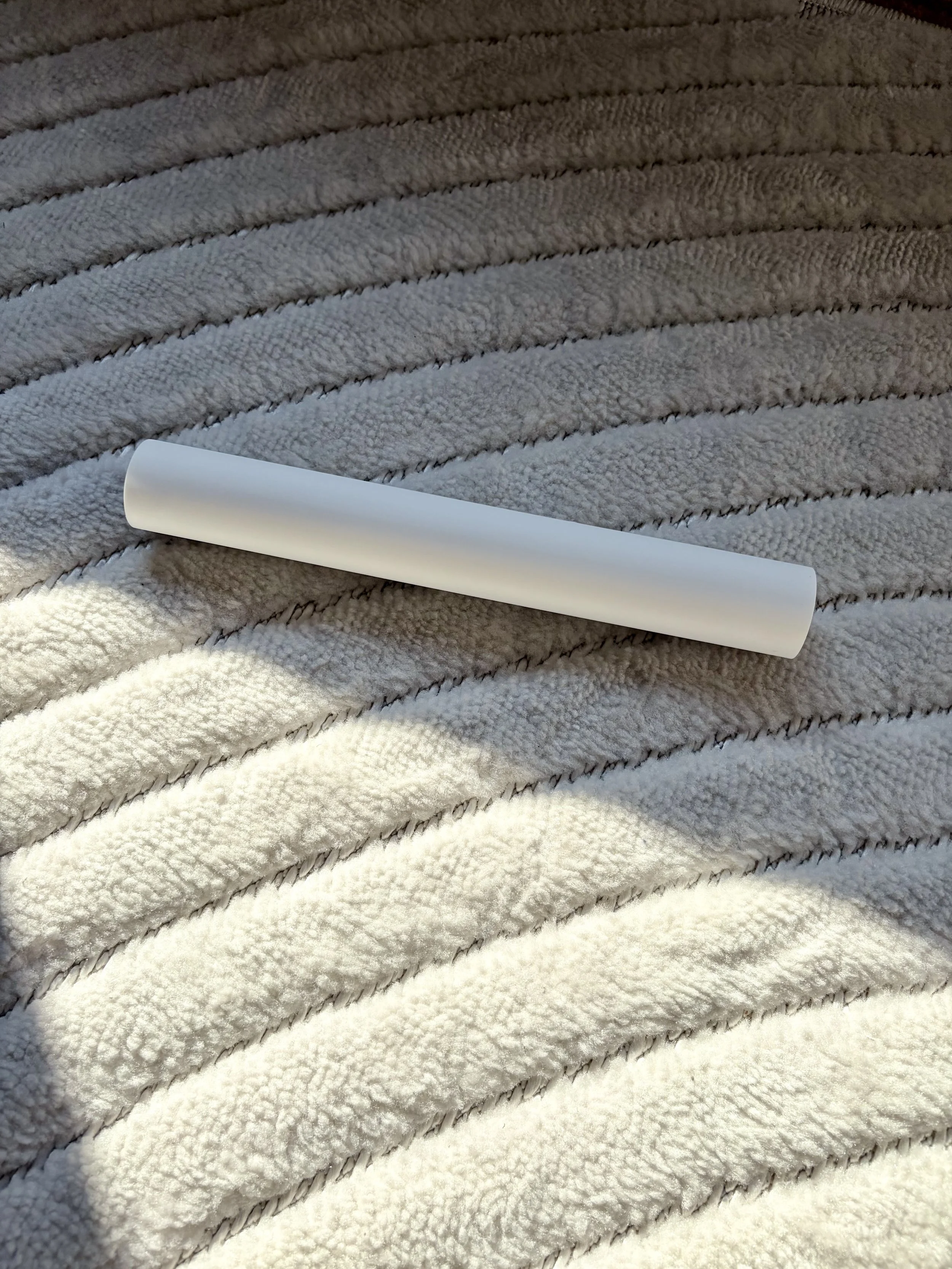
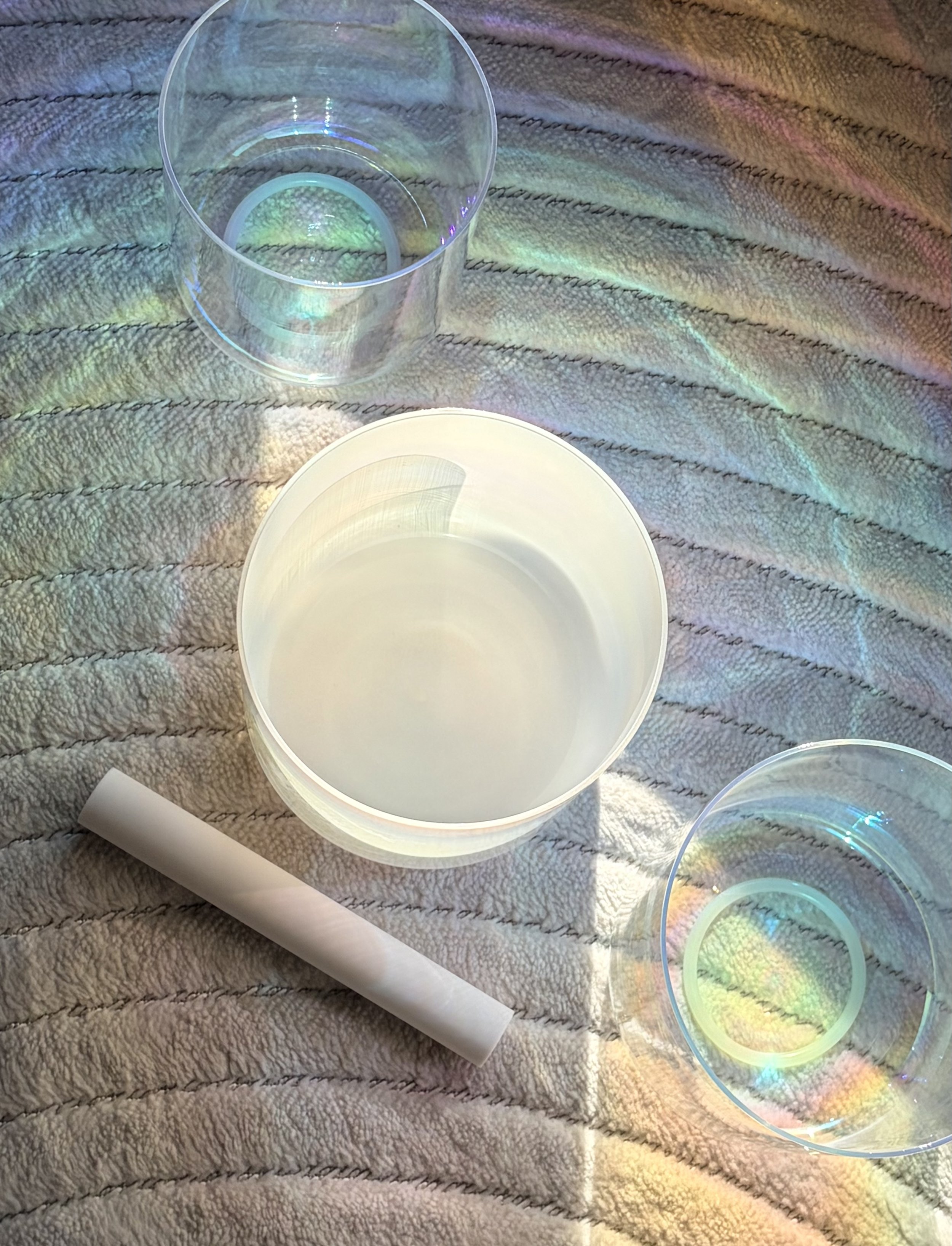
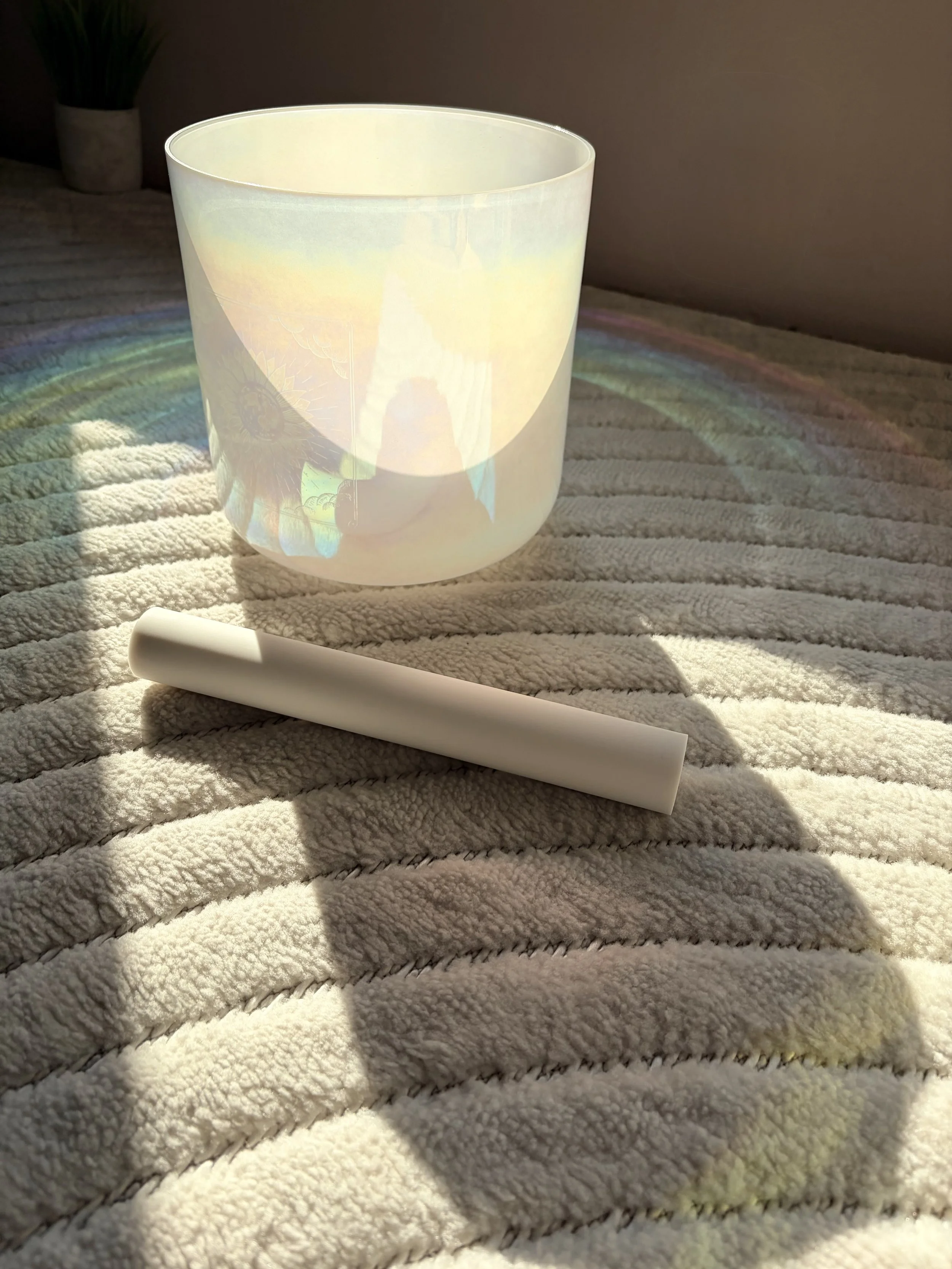
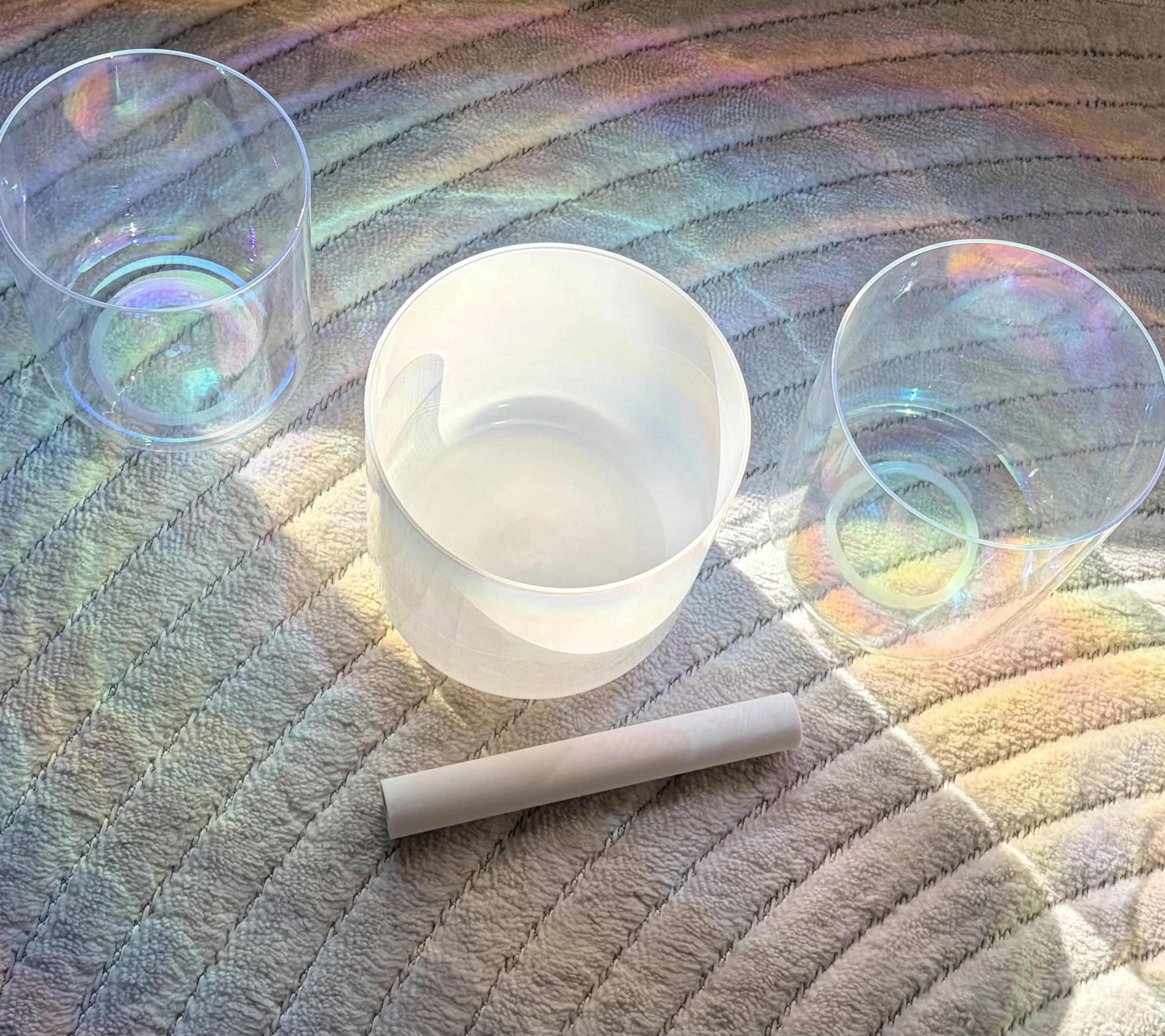
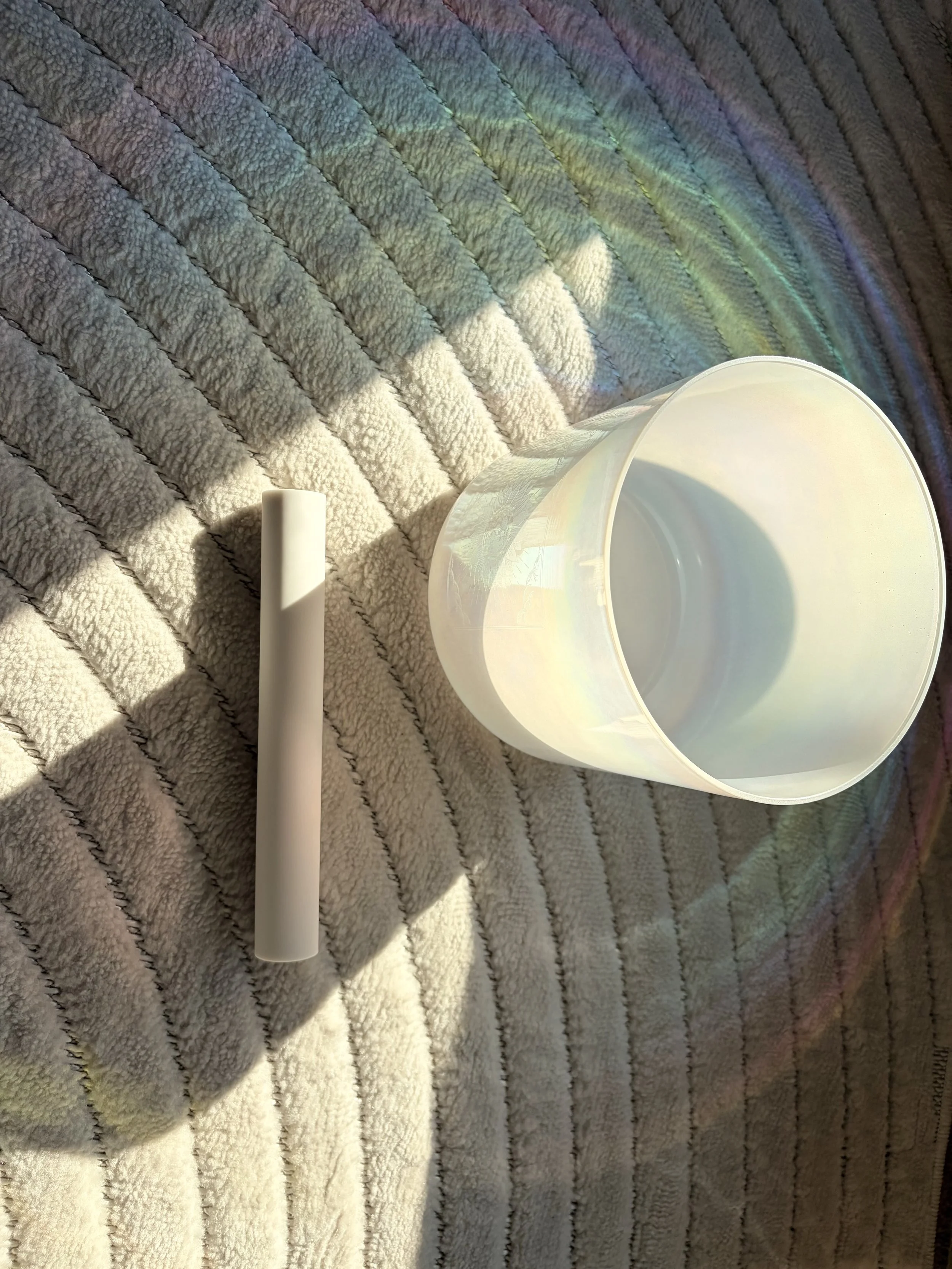
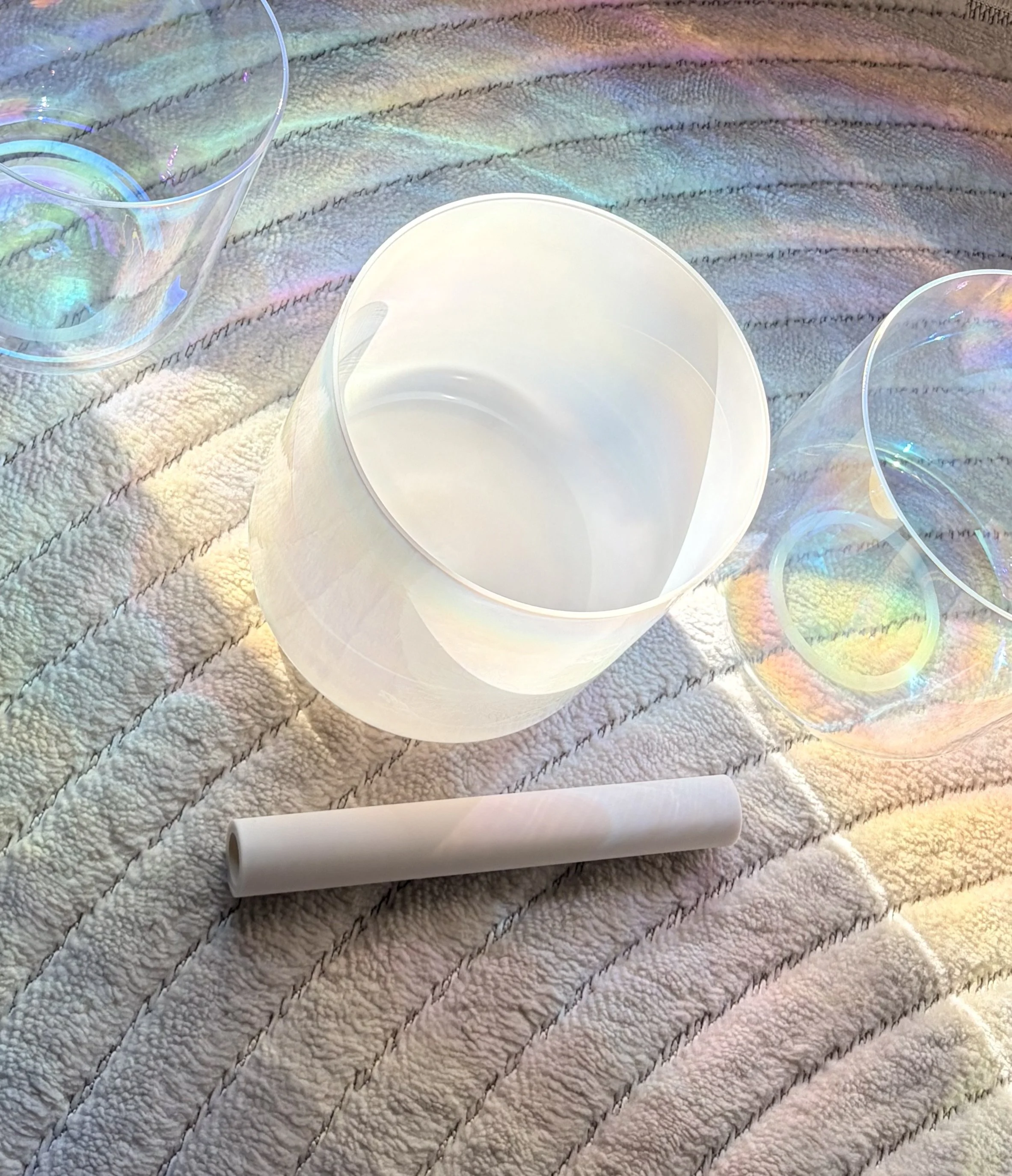
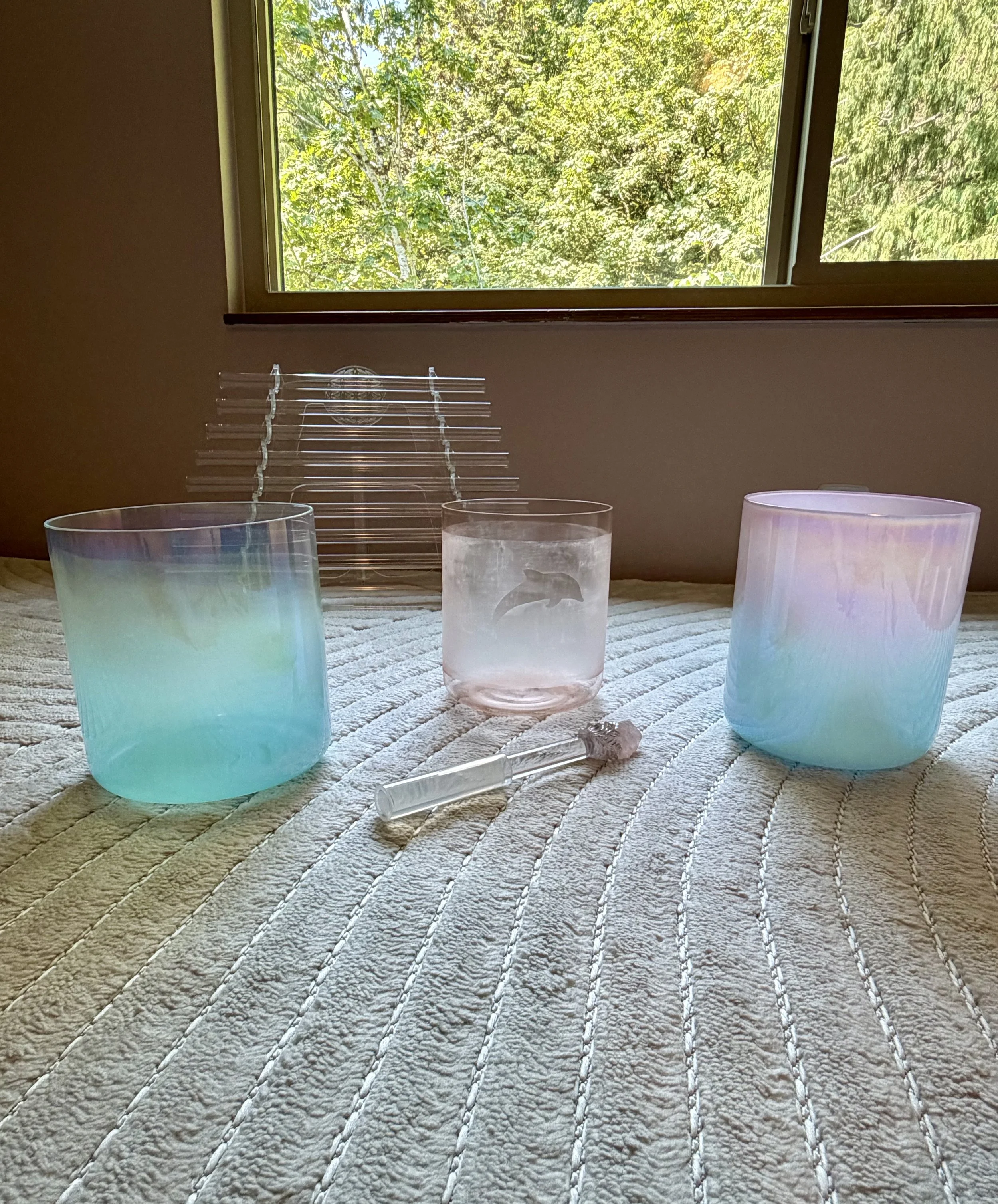
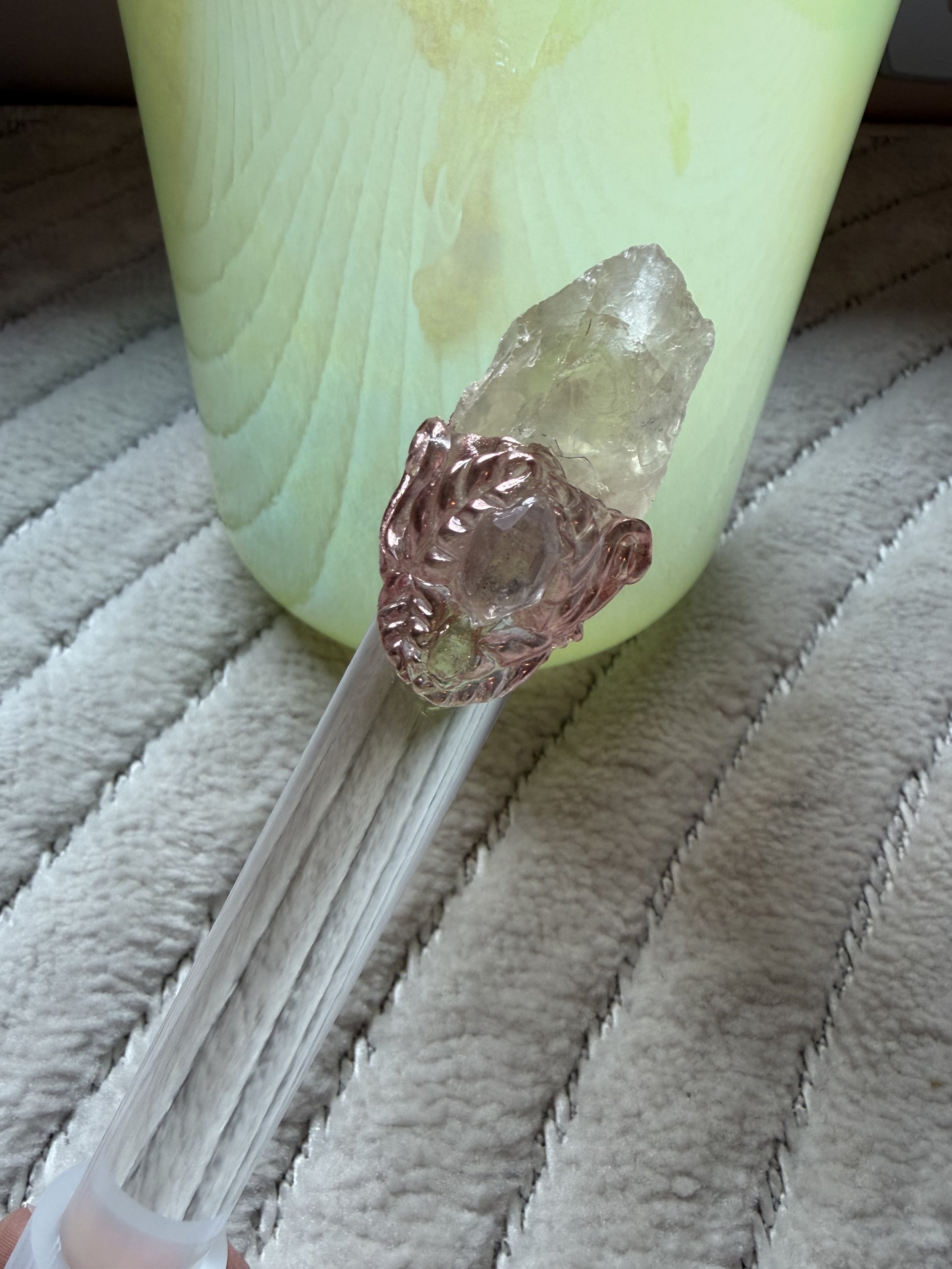
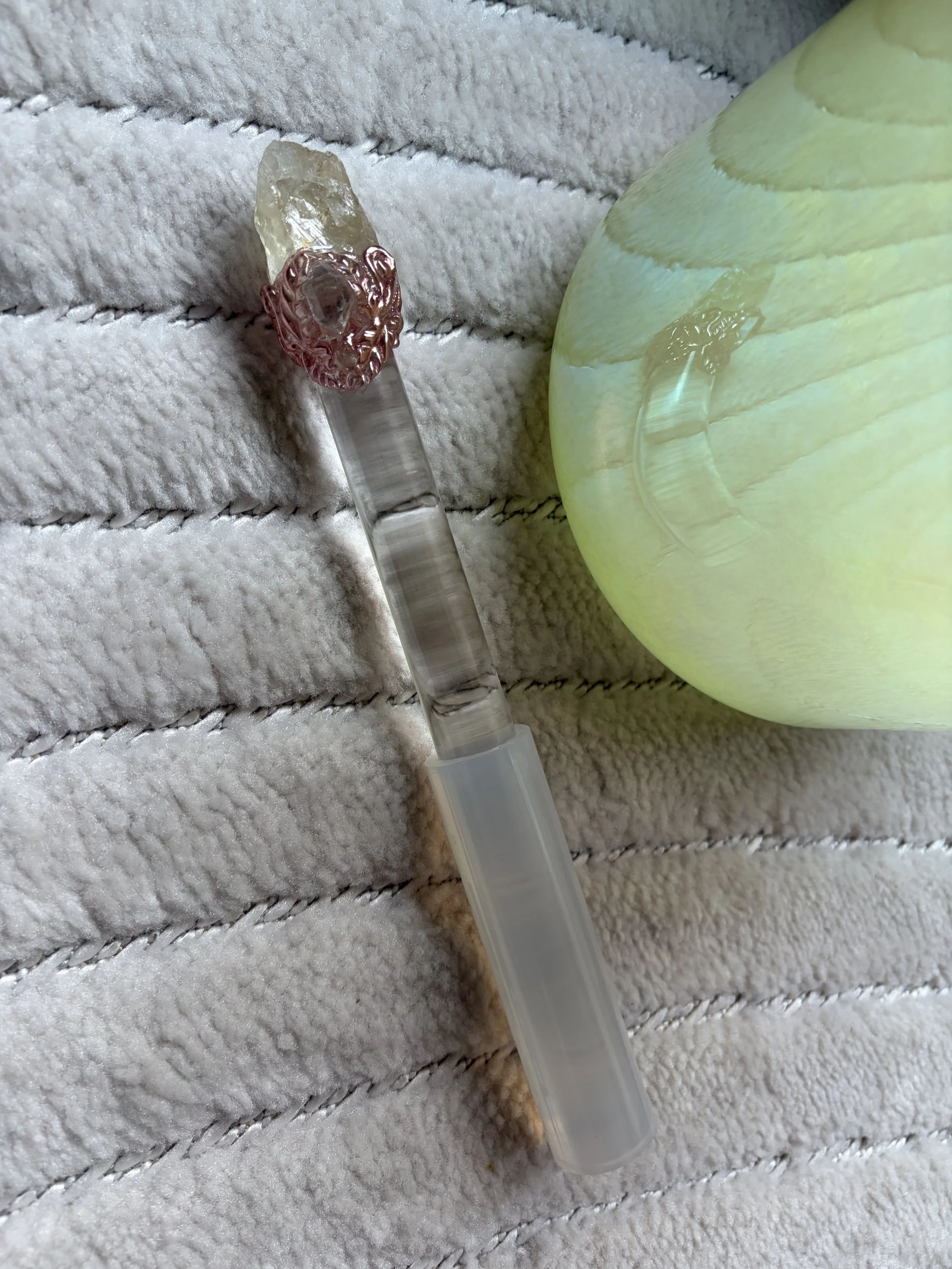
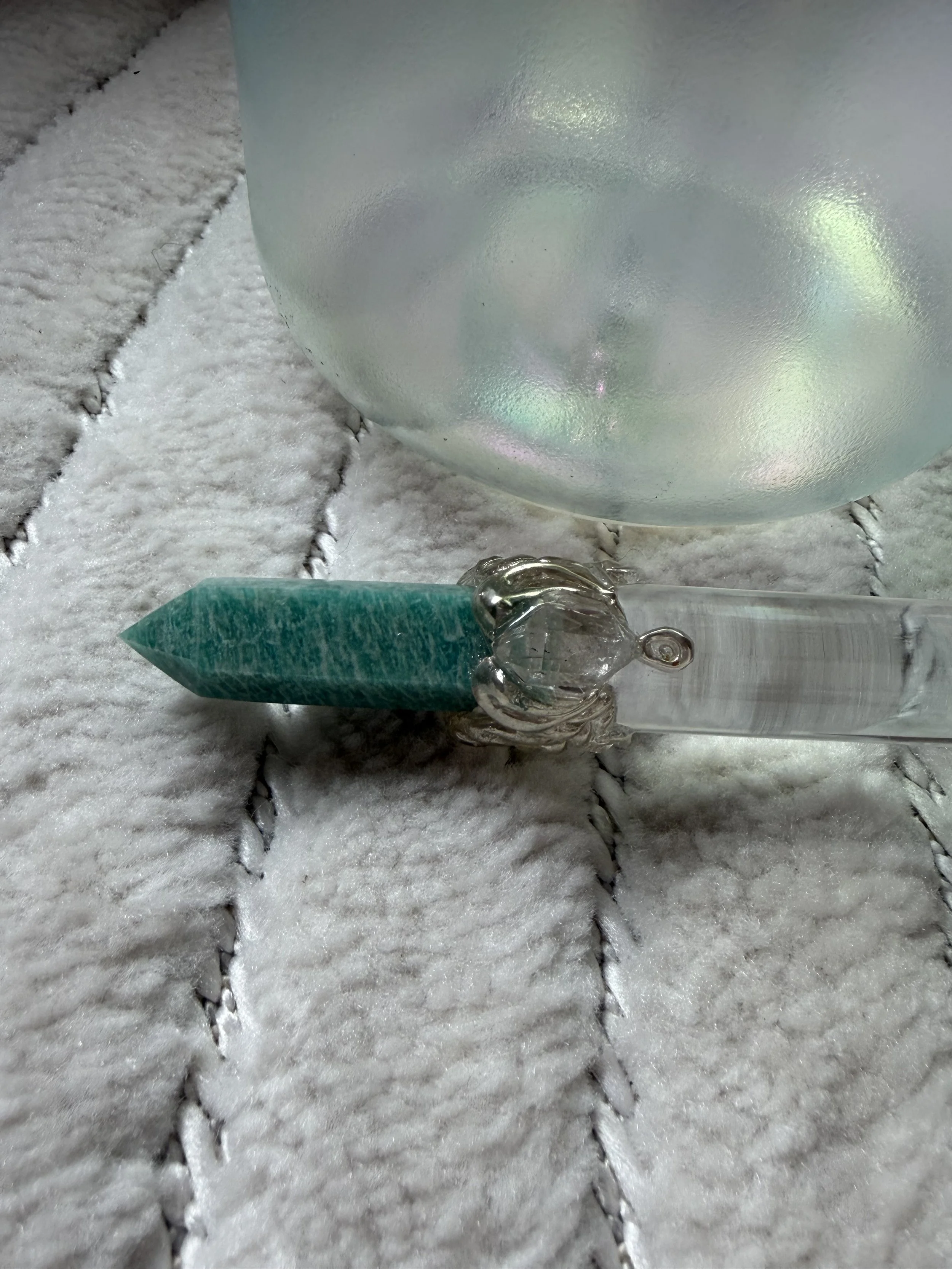
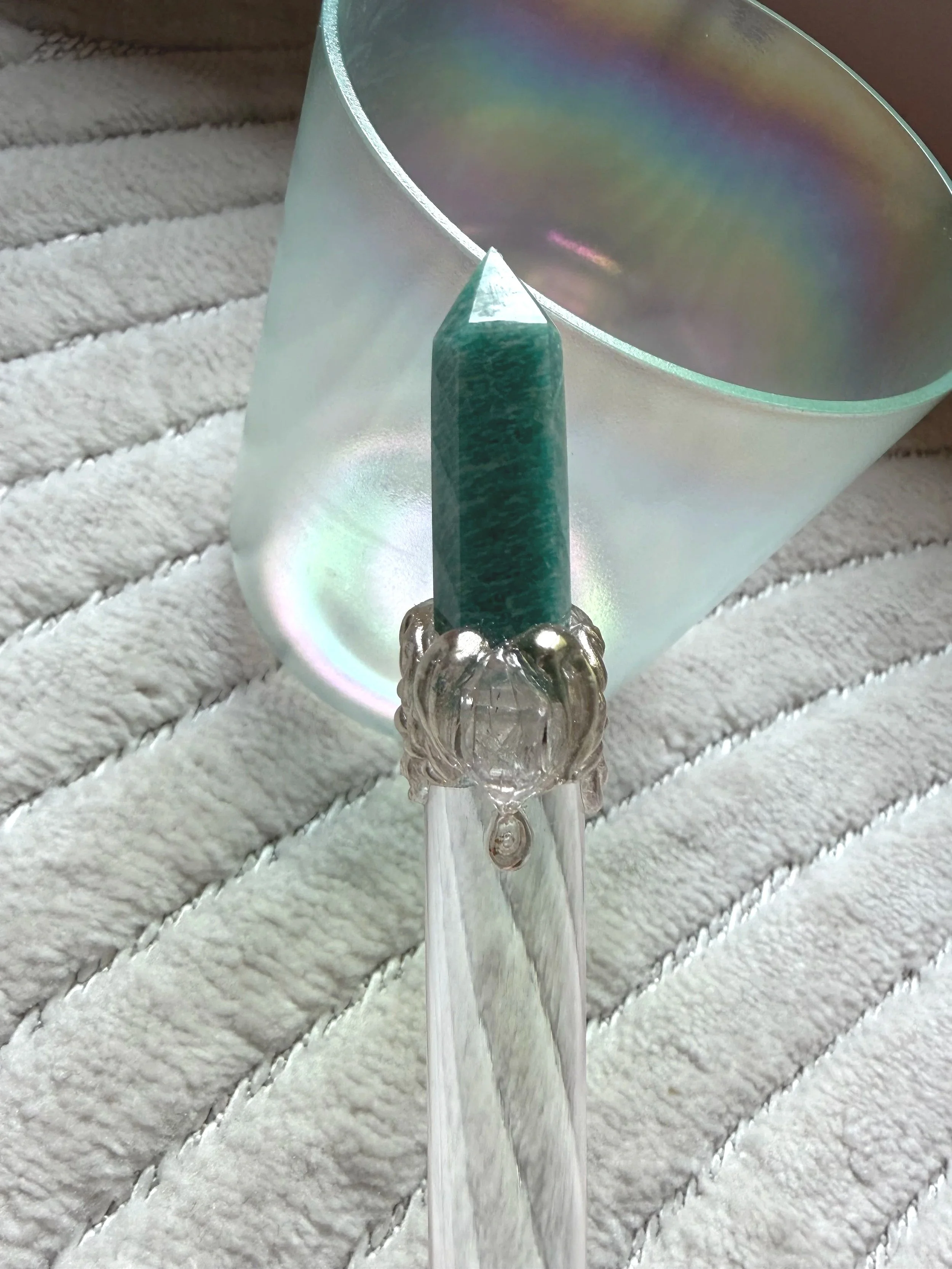
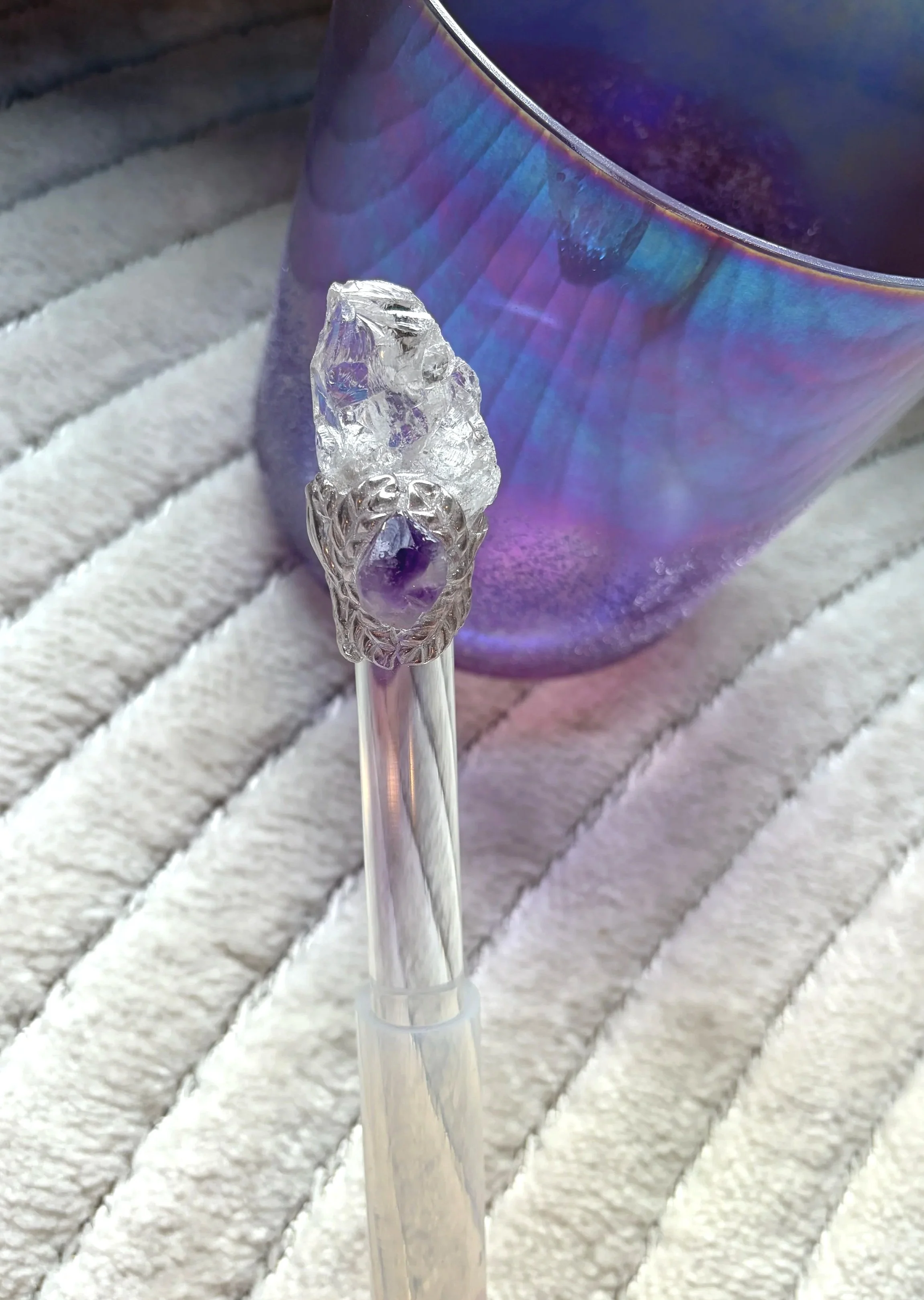
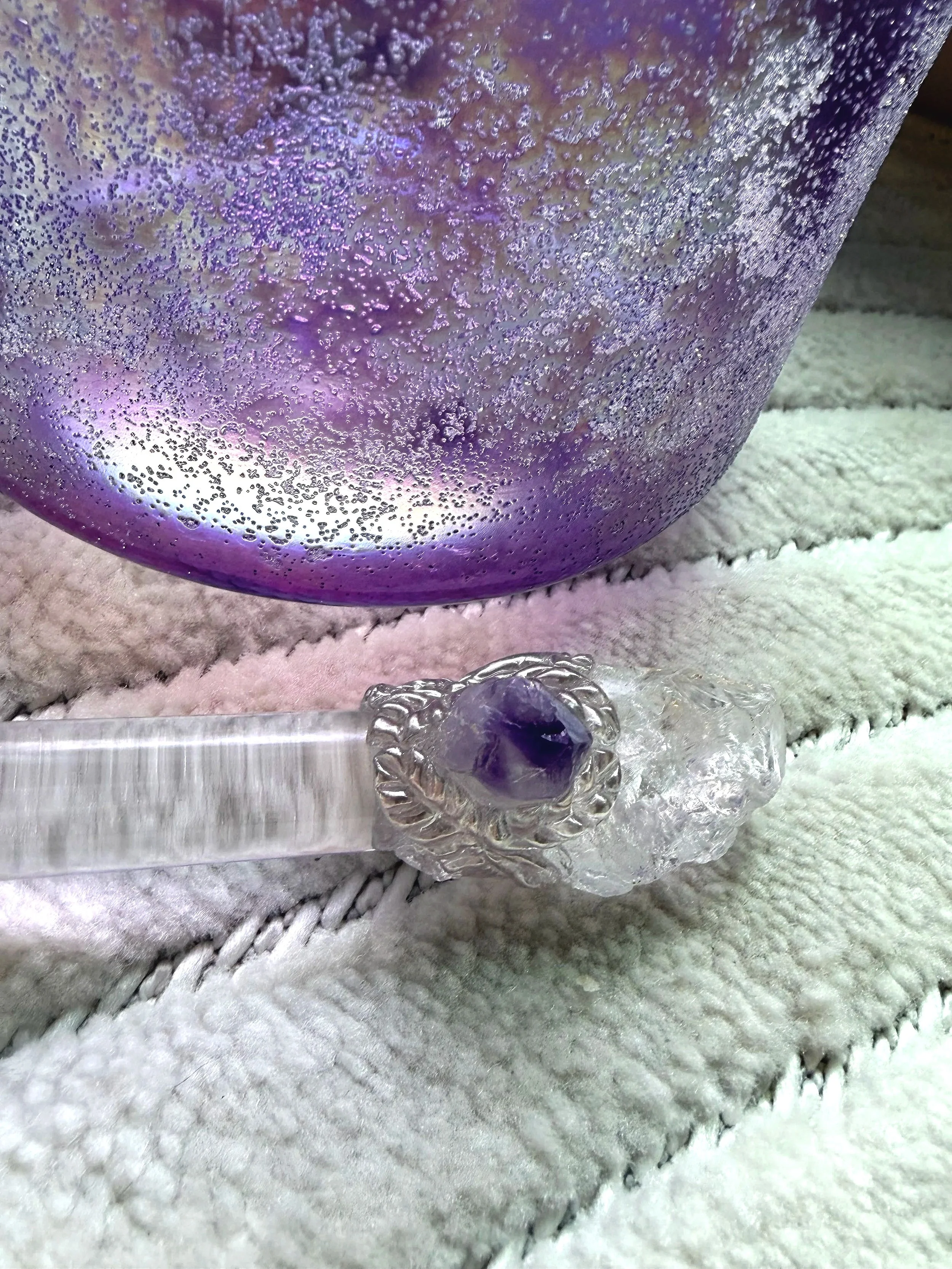
✧ Resonance Wand ✧
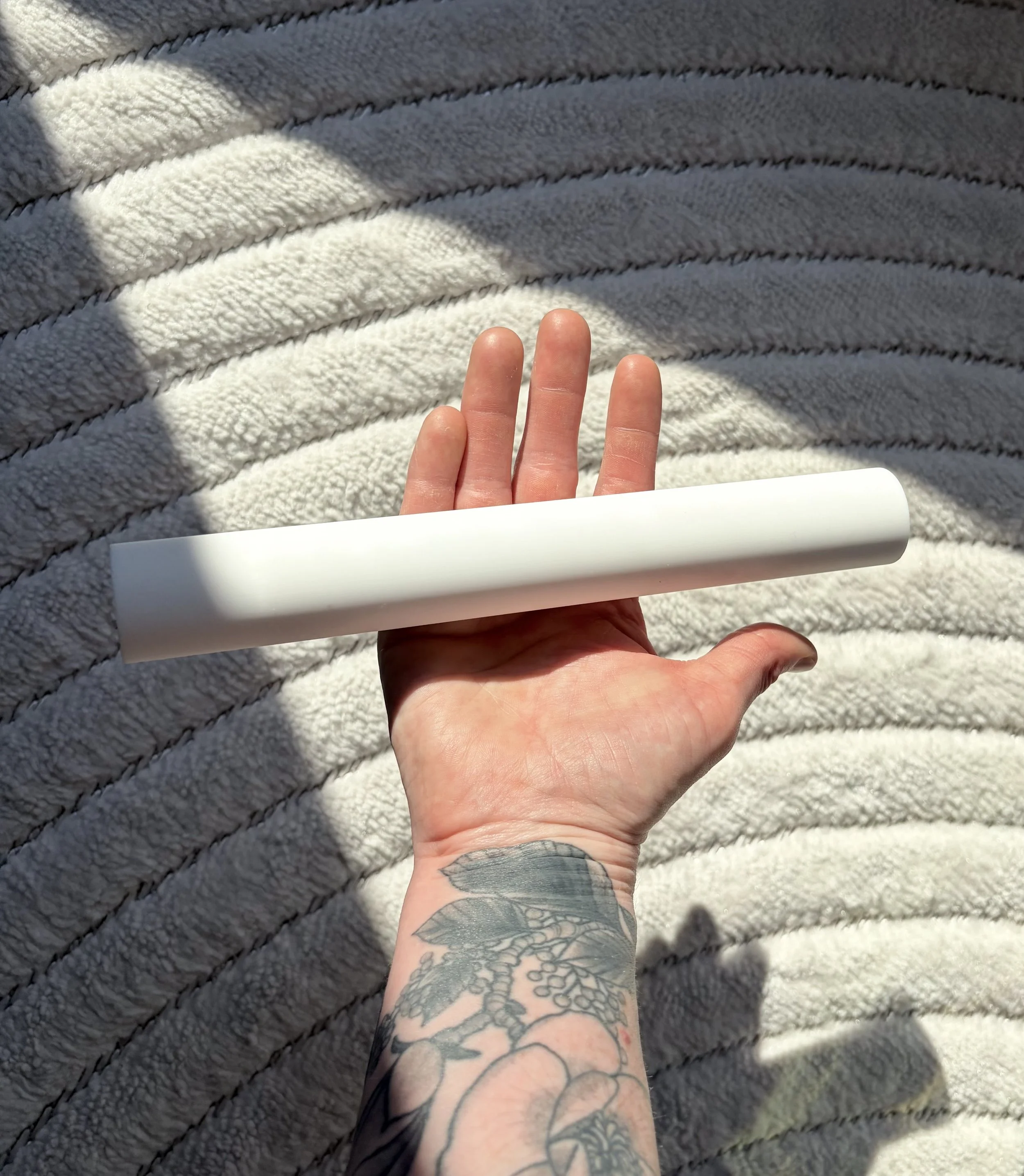
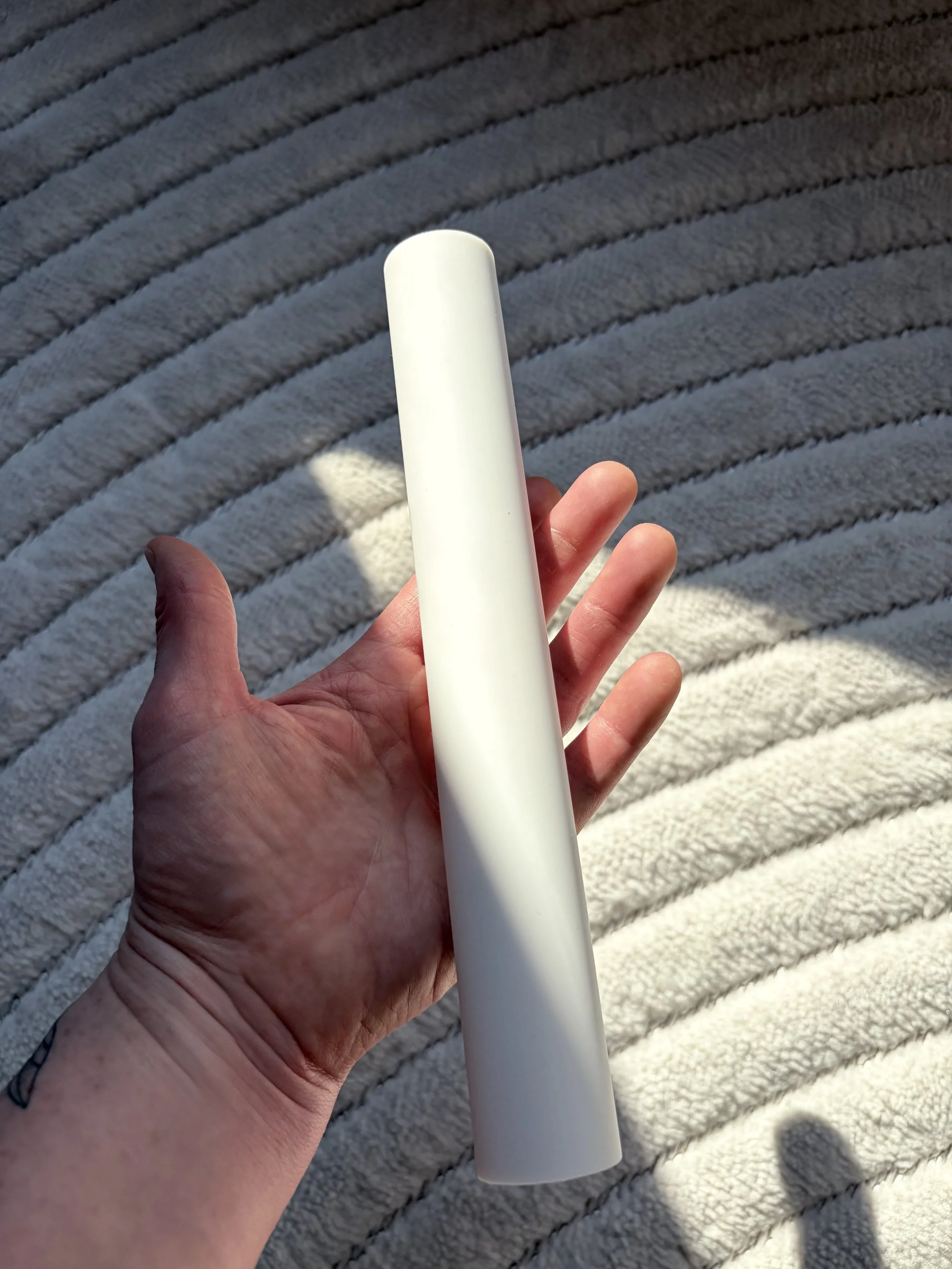
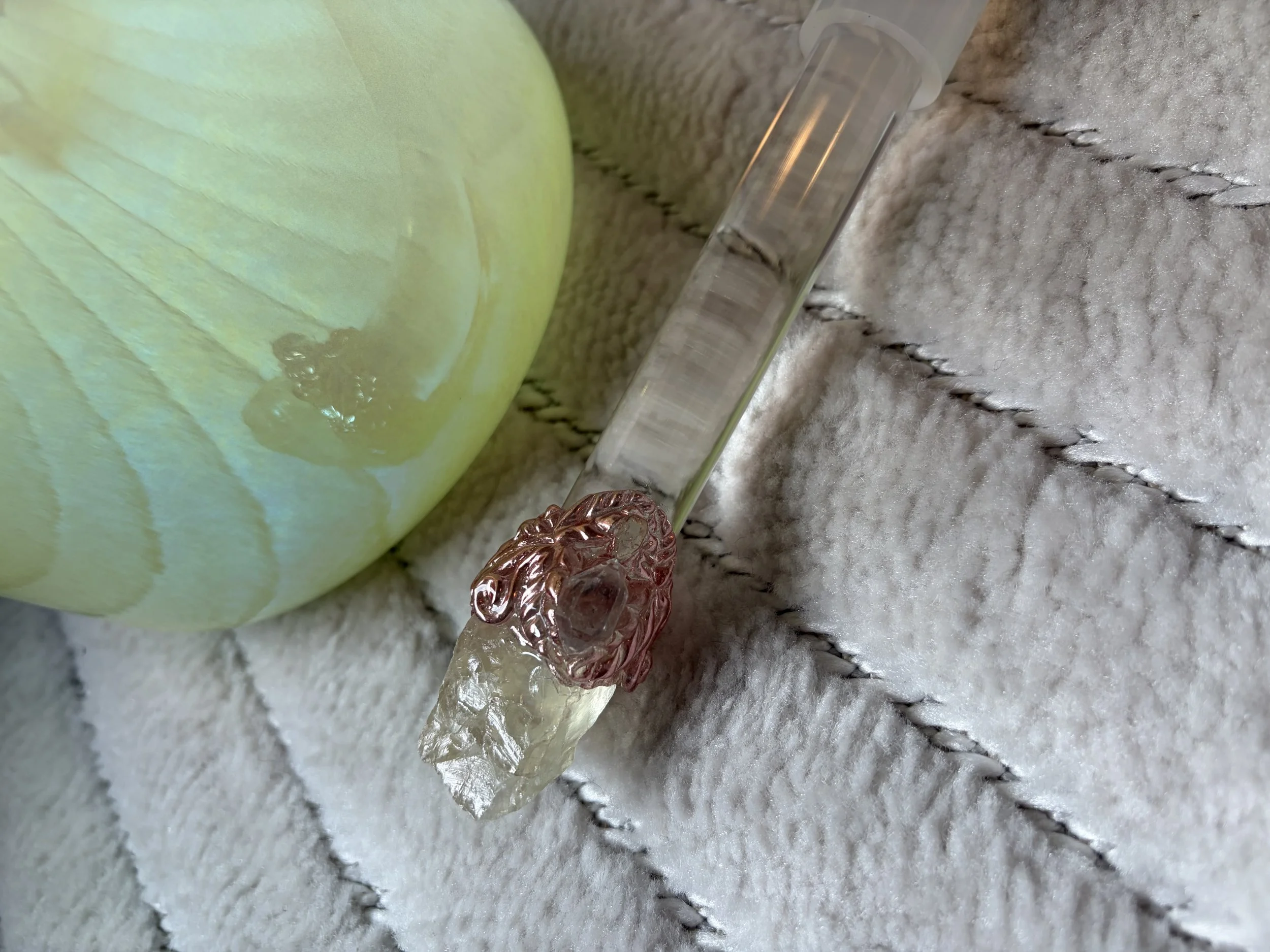
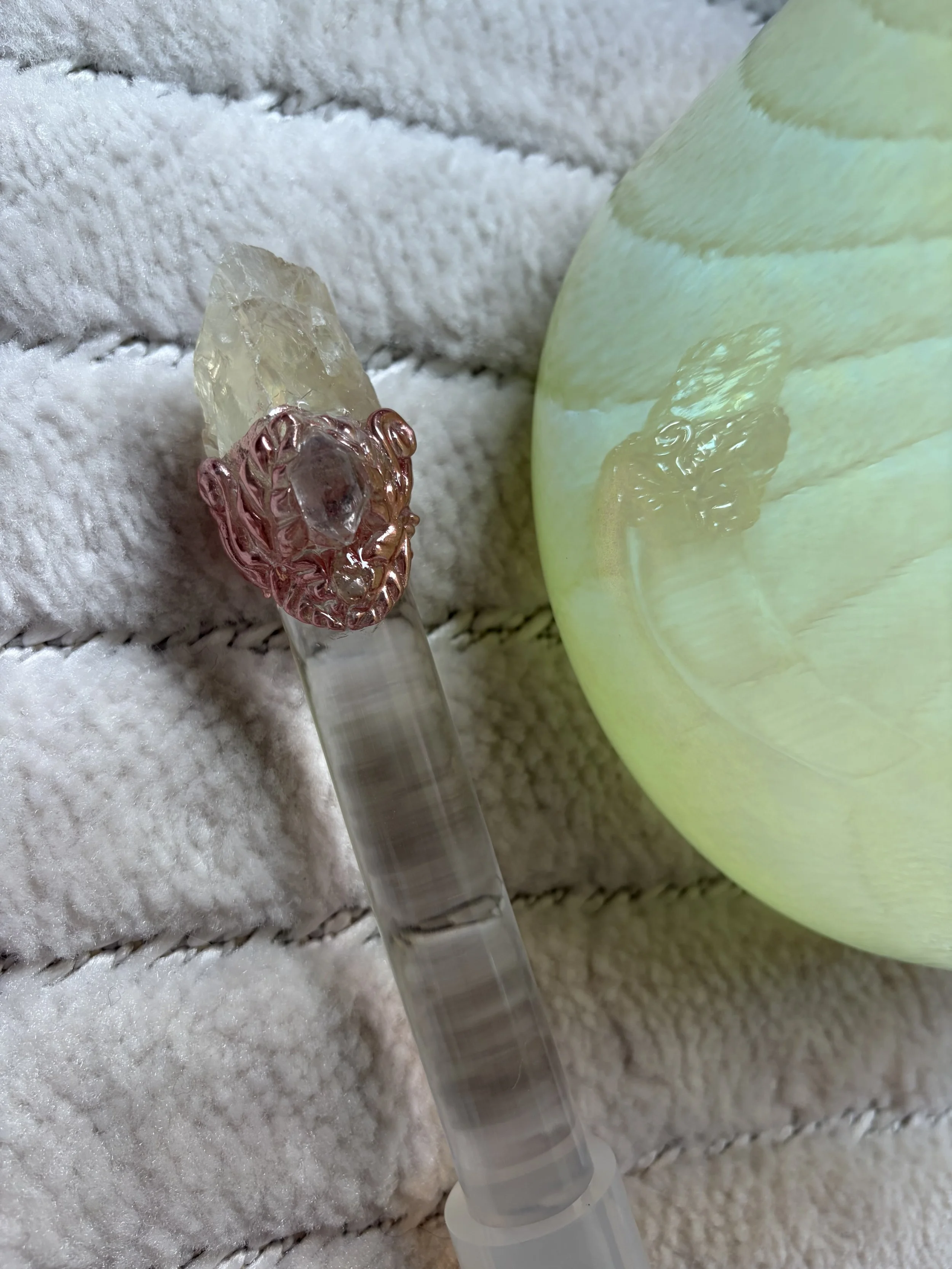
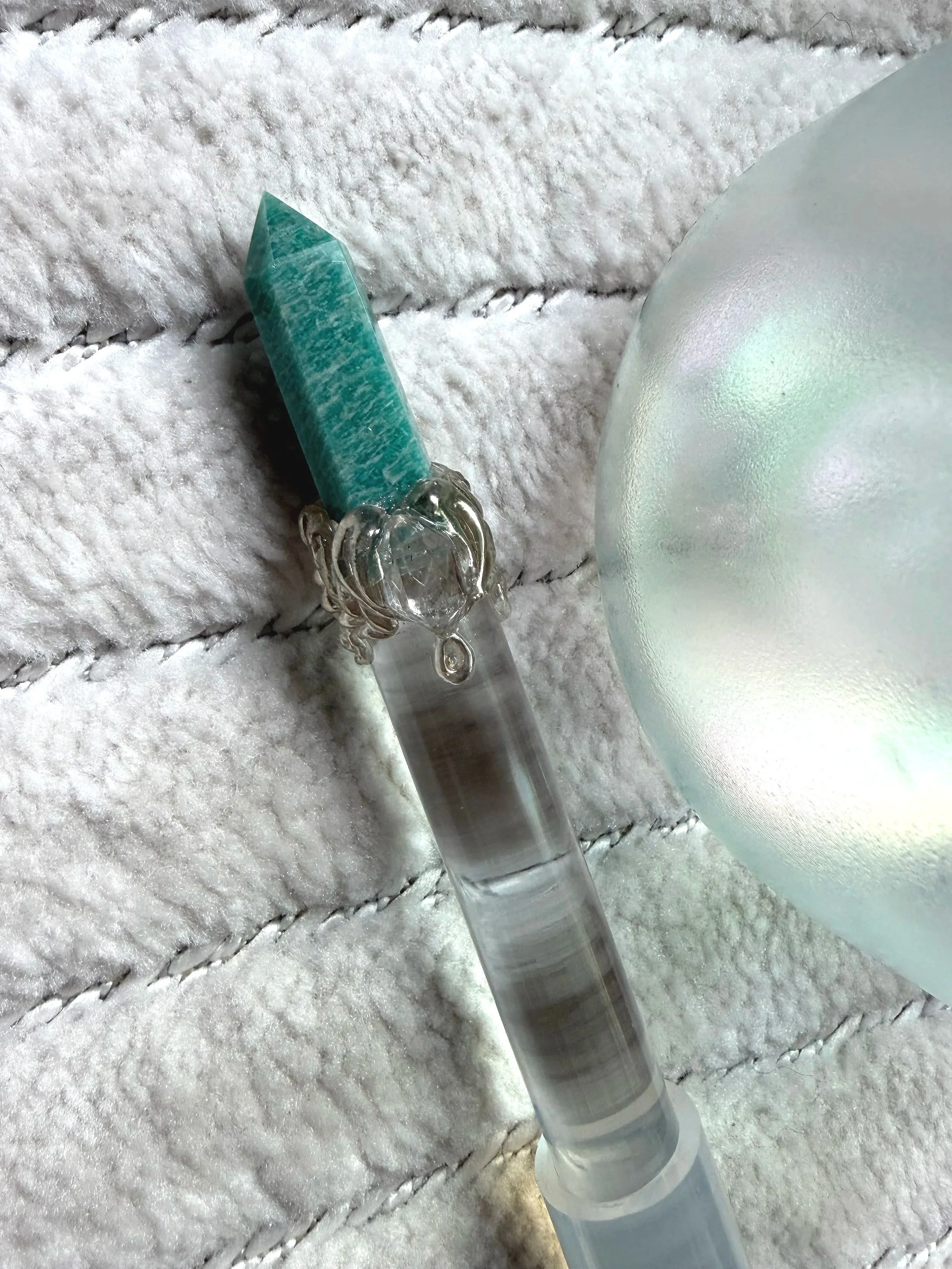
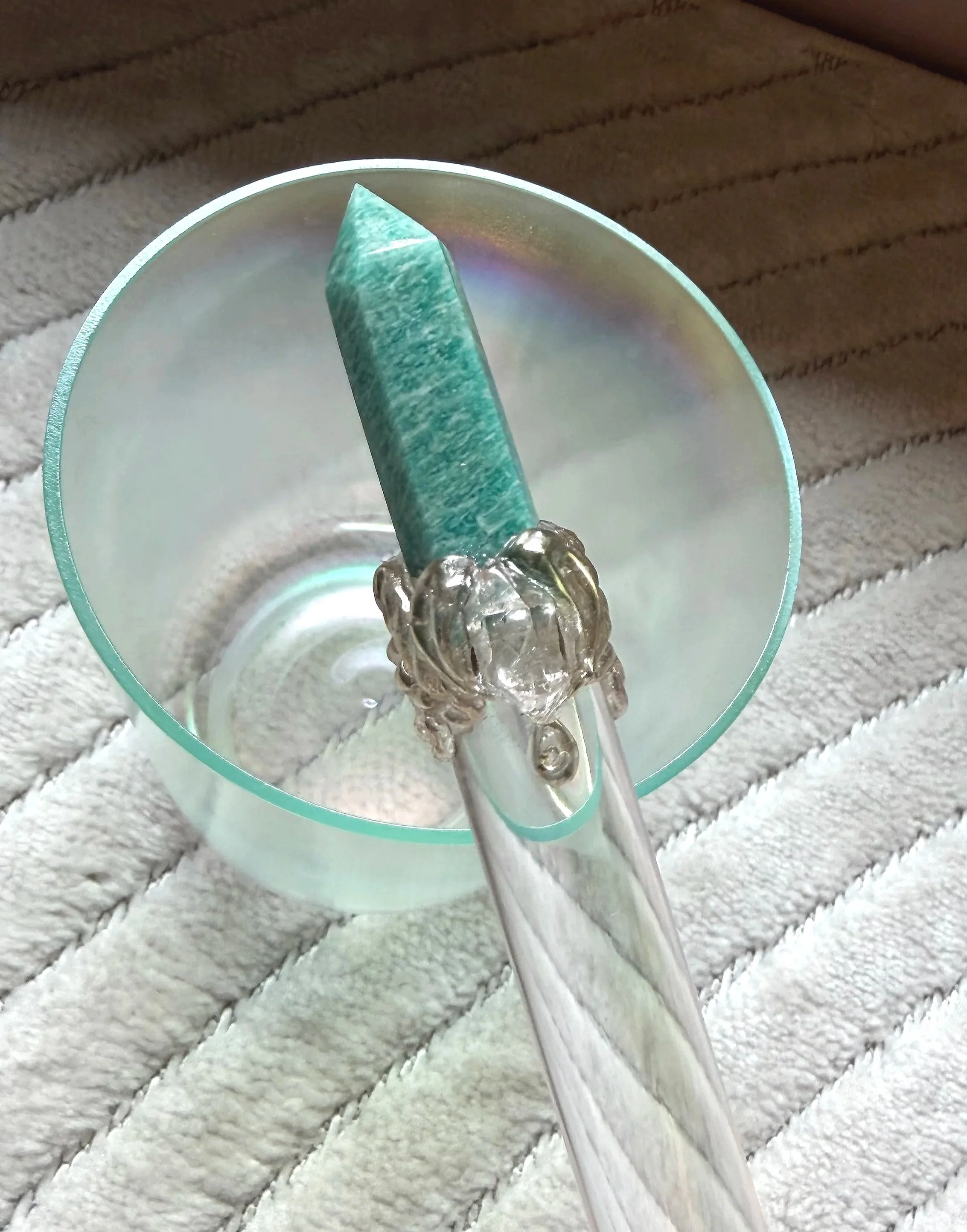
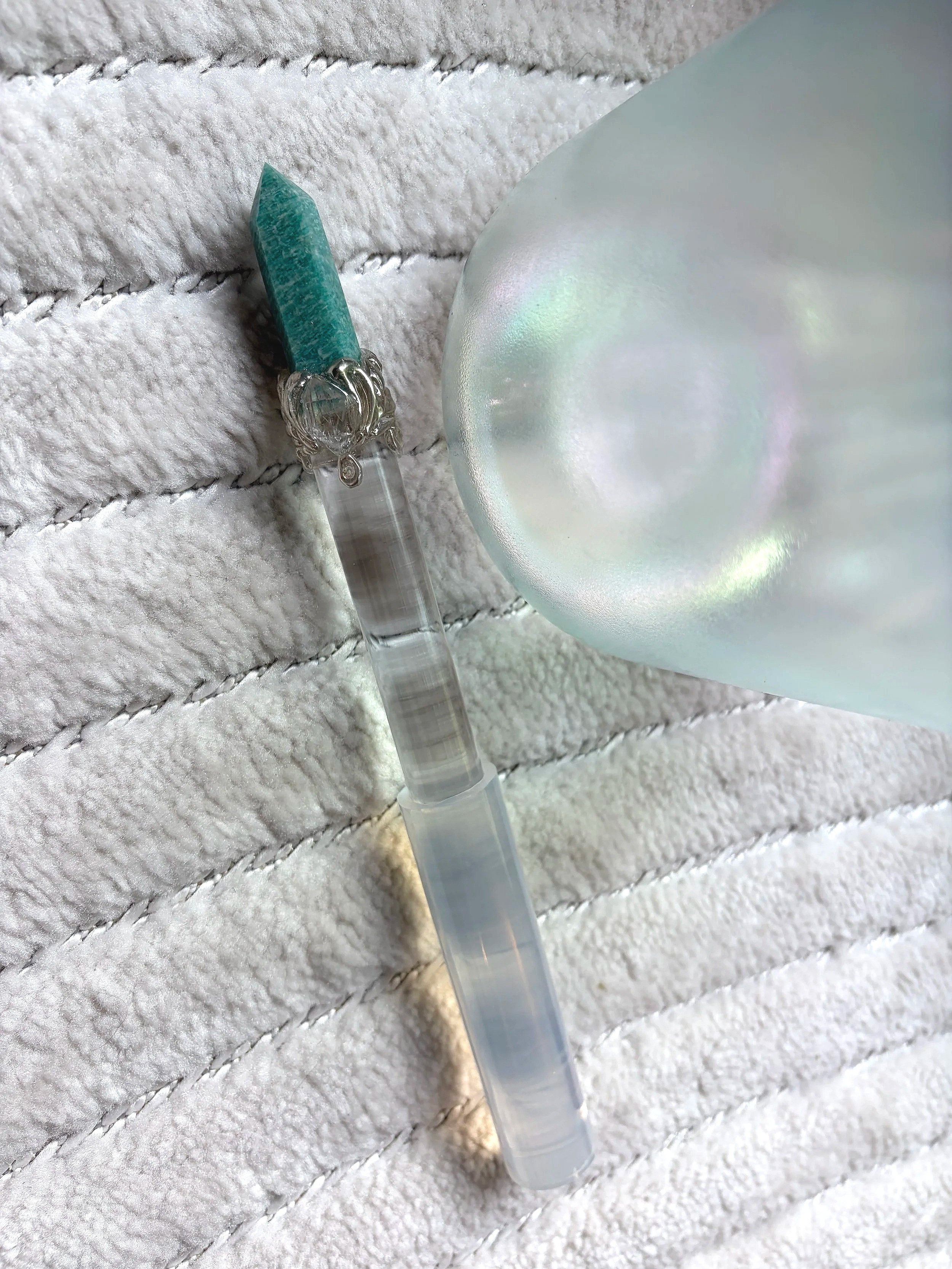
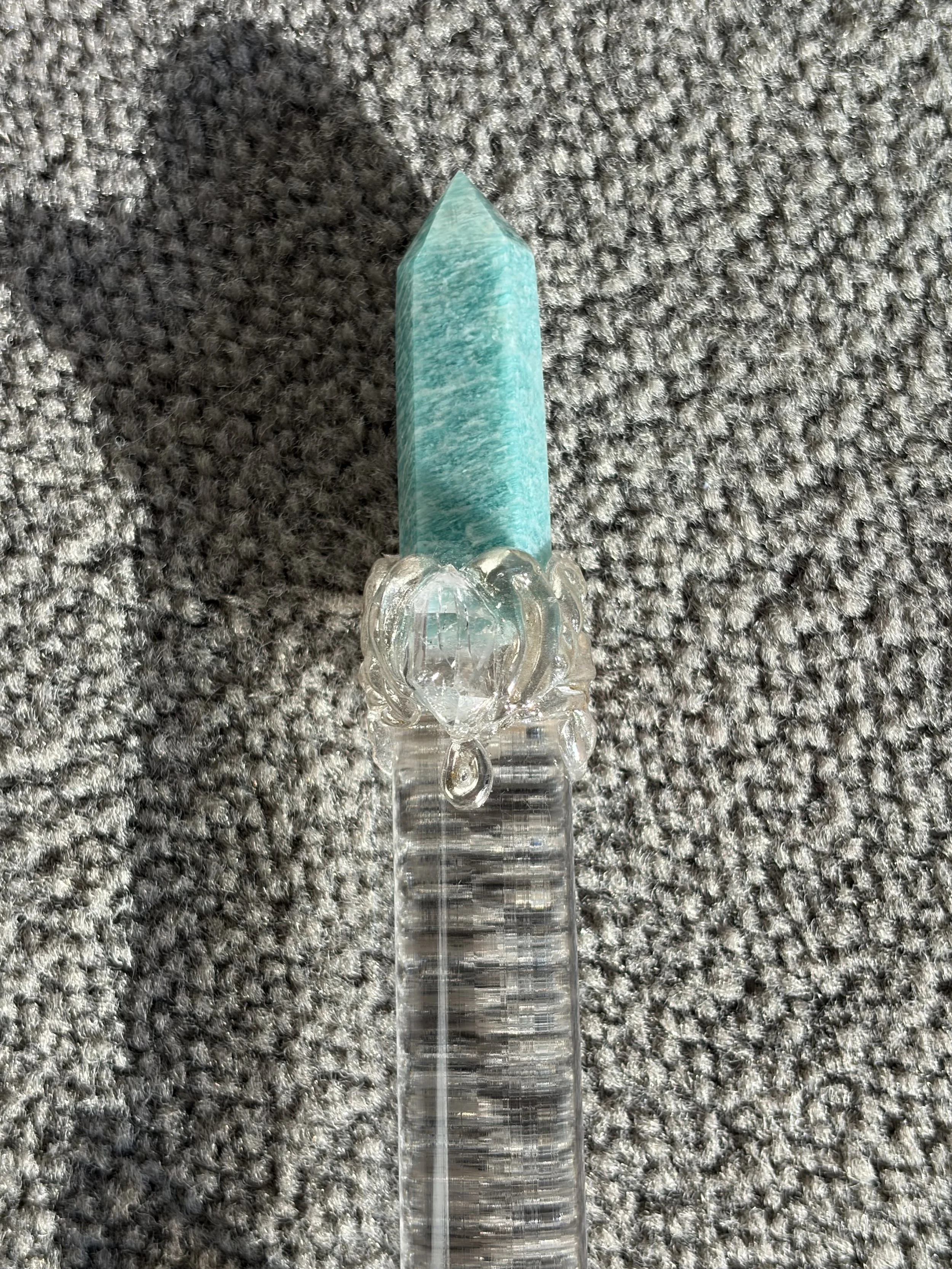
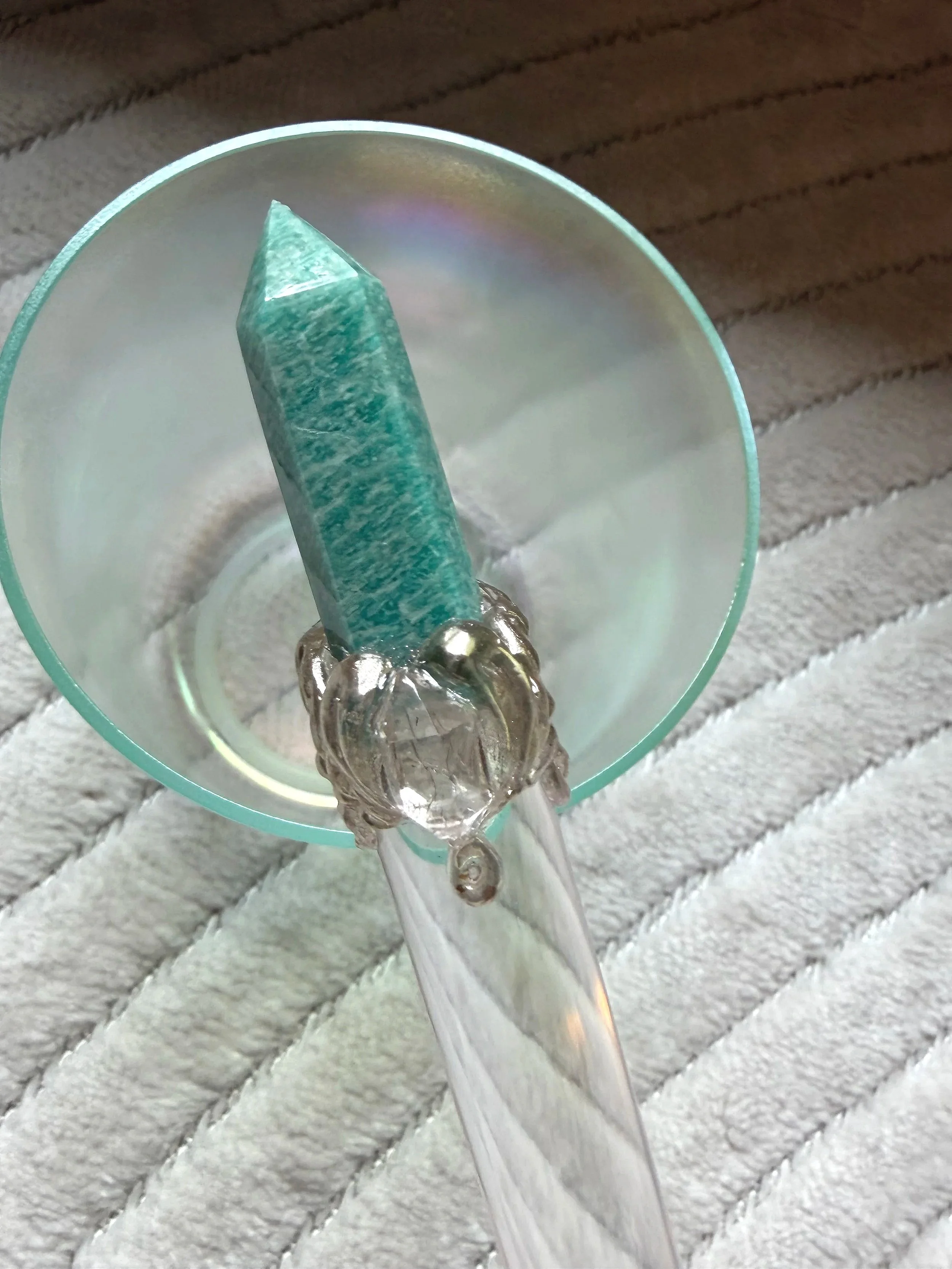
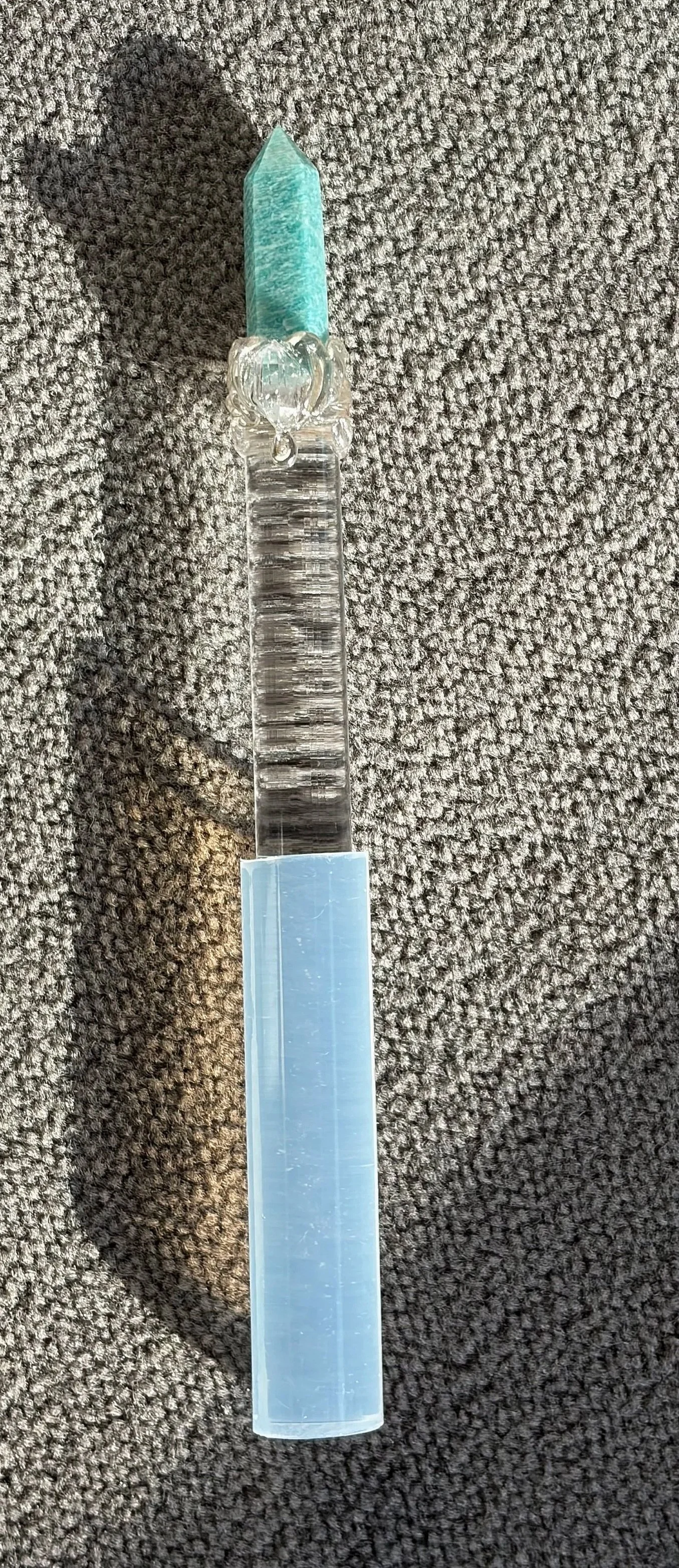
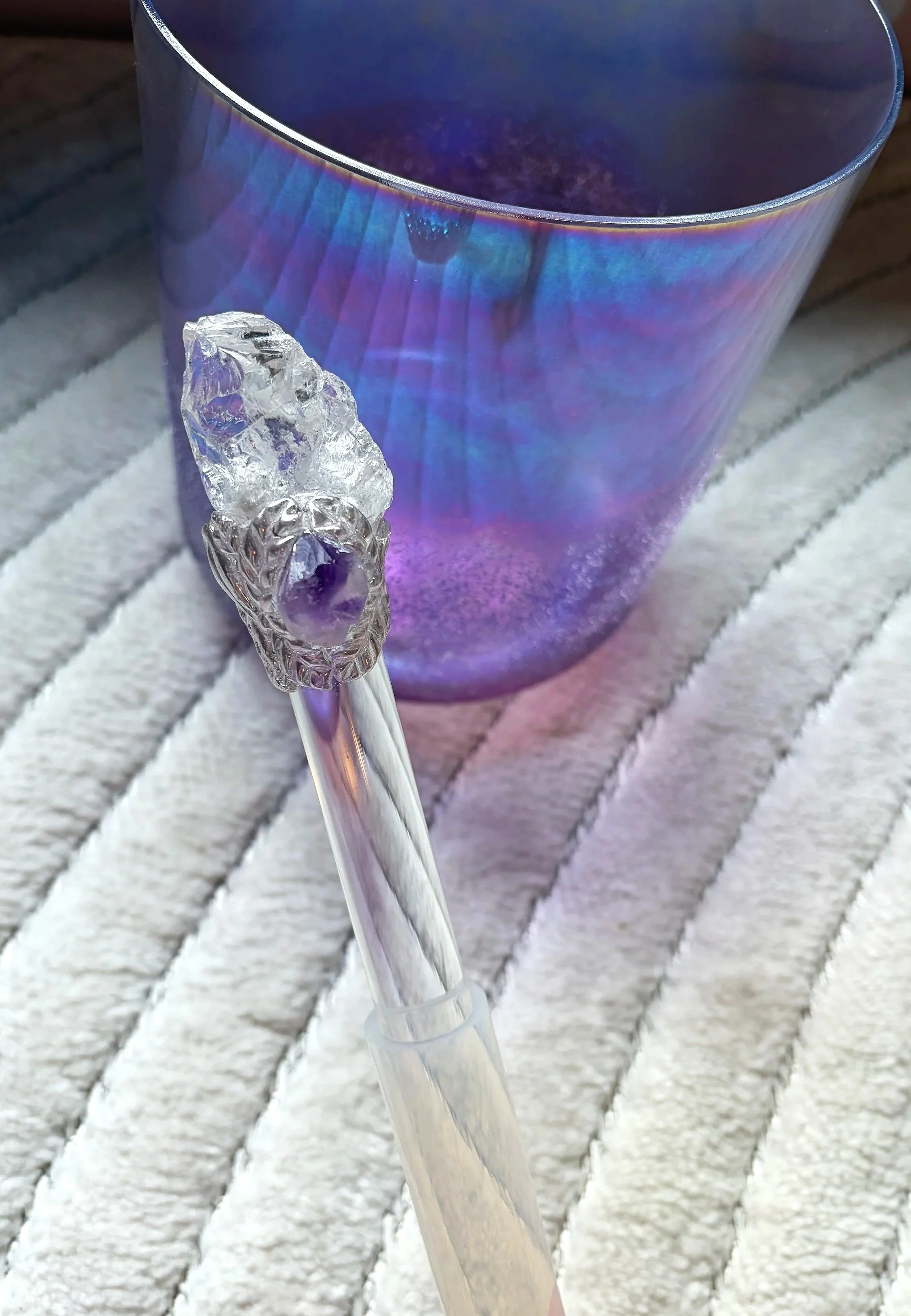
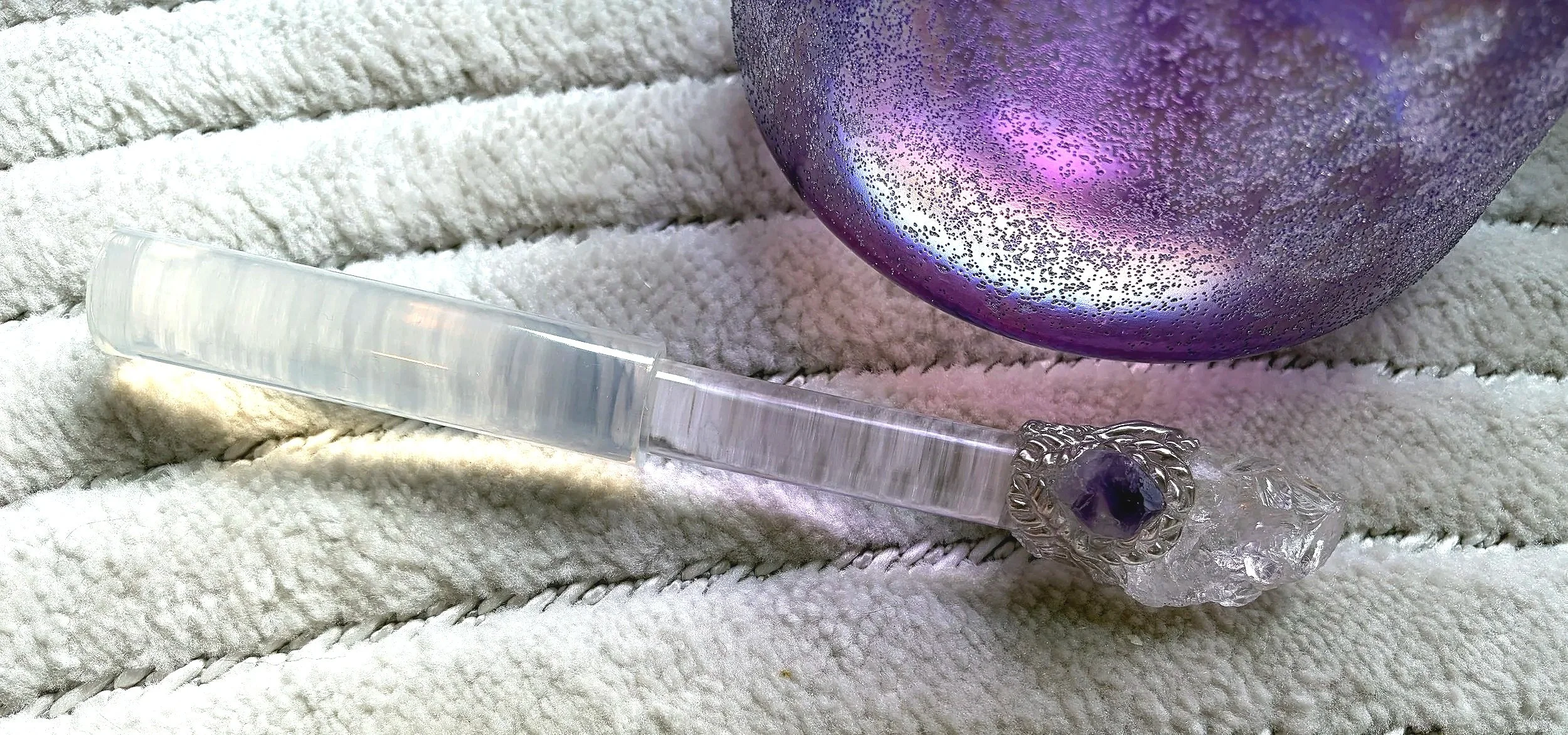
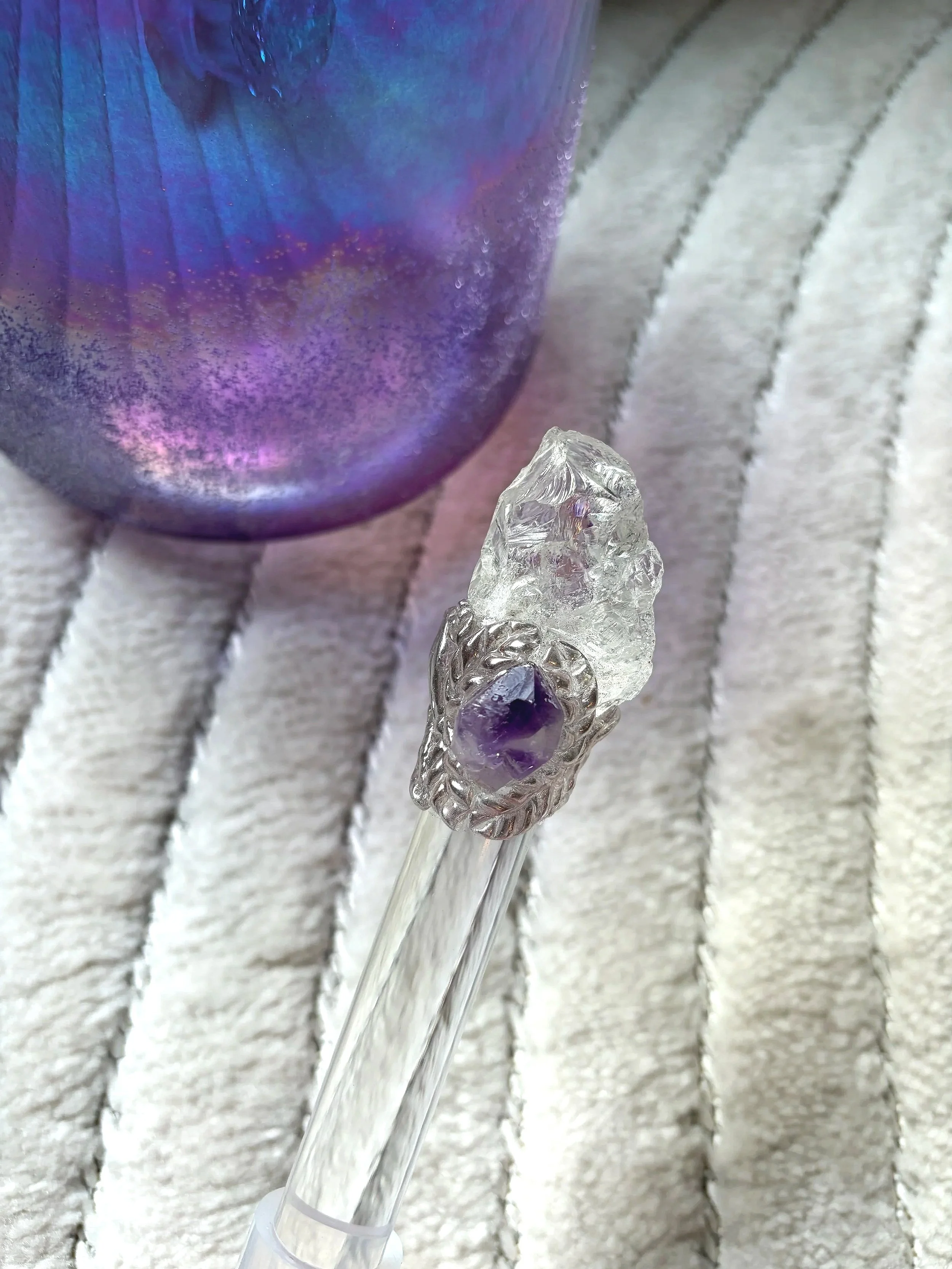
Silicone Playing Wand for Crystal Singing Bowls
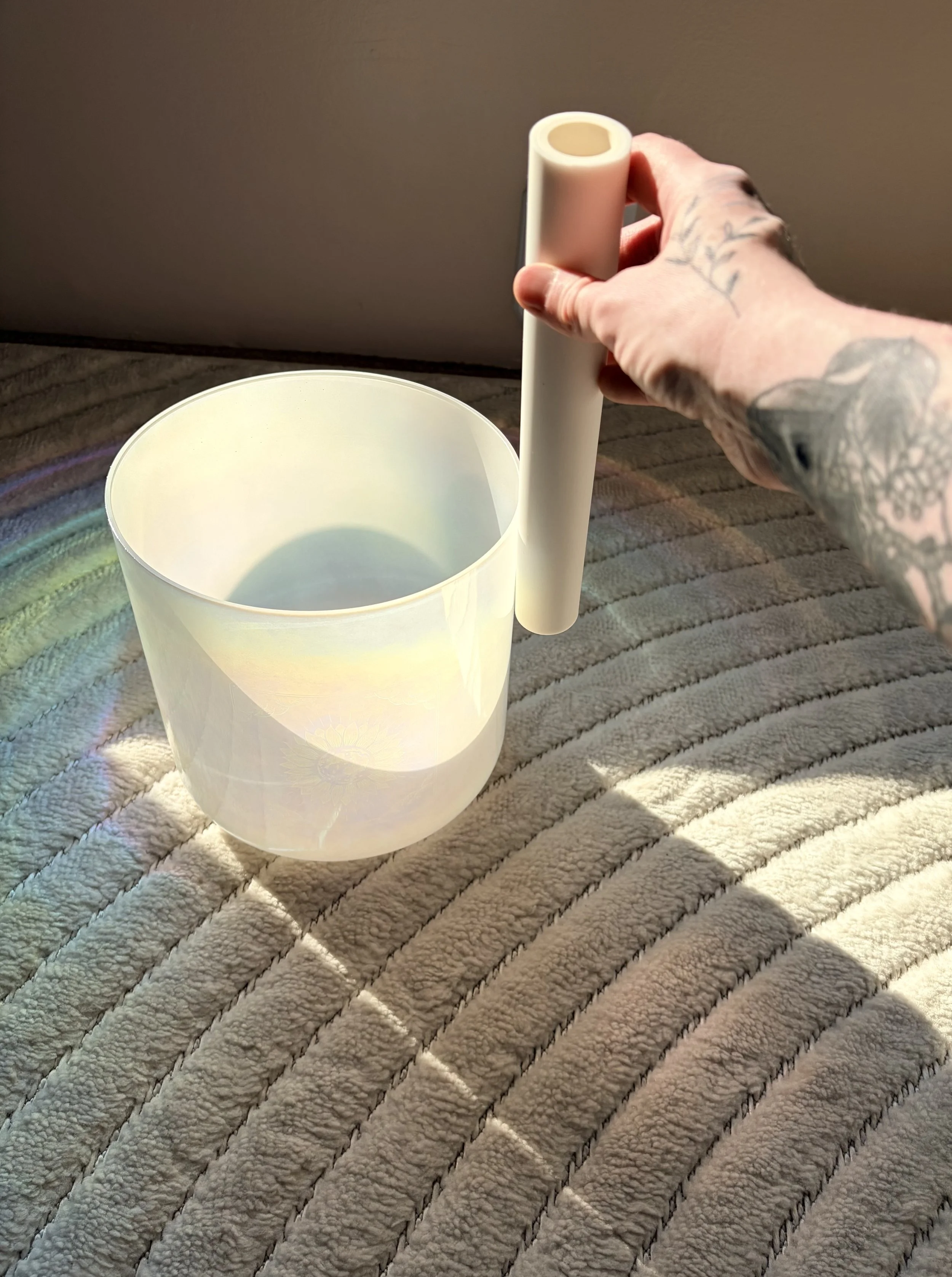
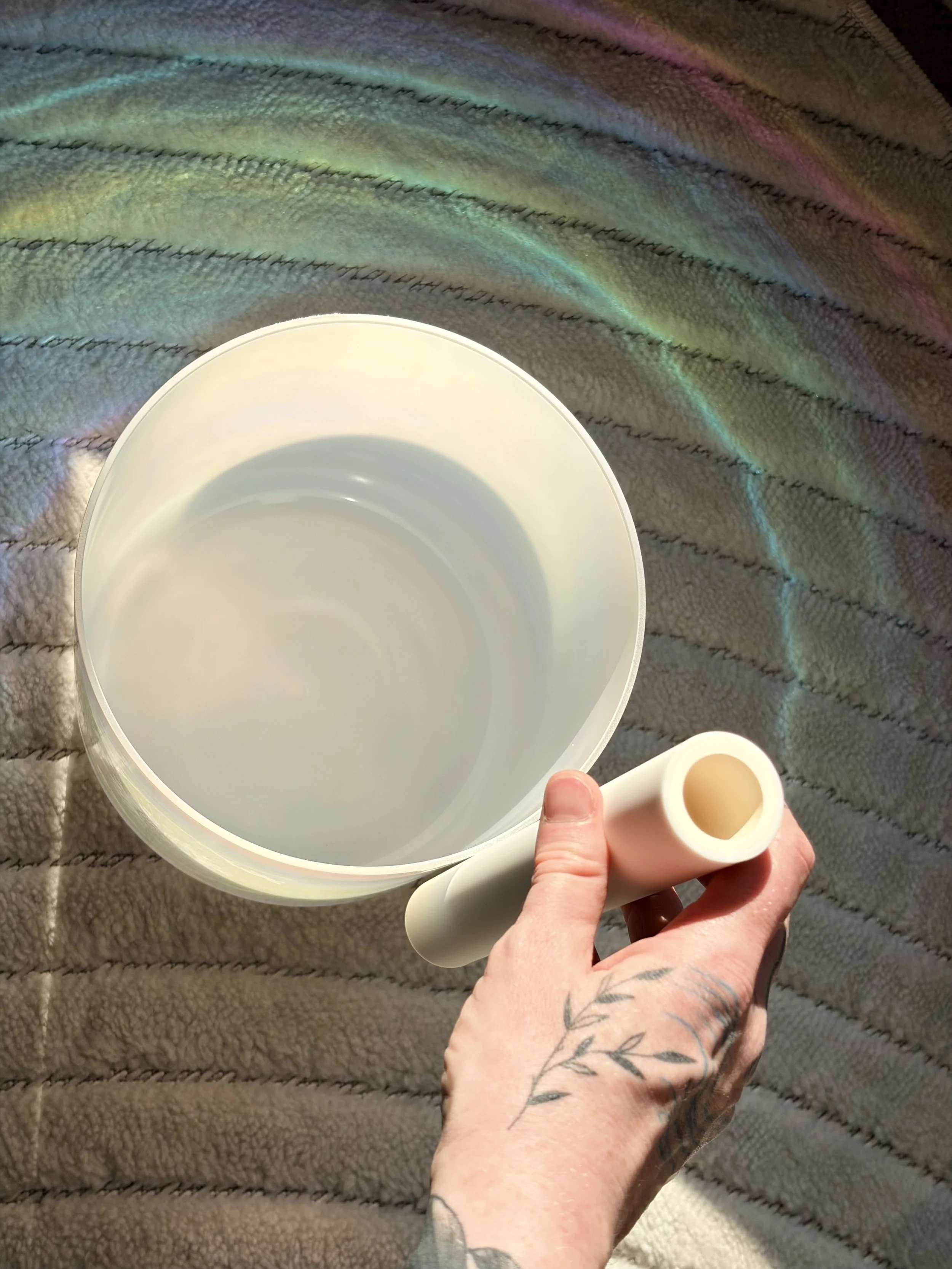
The Resonance Wand is designed for smooth, responsive contact with the rim of a crystal singing bowl, making it easier to bring the bowl into sustained resonance with very little effort.
Its silicone surface creates immediate grip against the crystal while still gliding smoothly around the bowl. This allows many bowls to begin singing quickly, with less time needed to build friction before the tone opens.
The larger playing surface also creates a noticeably different experience from smaller silicone-headed mallets, offering broad, consistent contact as the wand moves around the bowl.
One of its most distinctive qualities is how quiet that contact can feel.
Less brushing. Less “shhhh.” More of the bowl.
Traditional suede mallets can create a soft friction sound as they travel around the bowl. This is not inherently a drawback, and suede remains a beautiful playing option, particularly when a slower emergence into resonance is desired. The Resonance Wand simply offers a different response: smooth, immediate, and especially useful when cleaner contact or faster activation is preferred.
Designed for smooth, responsive playing
The Resonance Wand is especially beautiful for:
quickly bringing a bowl into sustained resonance
smooth rim playing
long, even tones
layering multiple bowls and instruments
transitions where sound needs to enter quickly
quieter recording environments
close listening
players who prefer less audible friction from their playing tool
Its longer form and larger silicone playing surface provide generous contact with the bowl while remaining easy to guide around the rim.
The Resonance Wand can also be used to gently tap or chime a bowl, allowing for both sustained rim playing and more defined individual tones from the same tool.
How is it different from the Clear Quartz Silicone Wand?
Both are silicone playing tools, but they offer different playing experiences.
The Clear Quartz Silicone Wand is more compact, with a smaller silicone playing surface and a quartz handle. Its smaller format offers a precise, controlled feel and may be preferred by players who enjoy working with a more compact tool.
The Resonance Wand is longer and provides a much larger silicone playing surface. The increased contact area creates a broader, smoother connection with the bowl and makes it particularly effective for bringing bowls into sustained resonance quickly.
It can also be used for gentle tapping and chiming, adding another layer of versatility.
Neither is intended to replace the other. Different playing tools create different responses, textures, and possibilities within a sound practice.
Another way to work with sound
There is no single “best” tool for playing a crystal singing bowl.
Suede, silicone, tapping, circling, pressure, speed, and playing position can all influence the way a bowl responds.
The Resonance Wand offers another option within that palette: smooth contact, quick activation, quieter playing, and the flexibility to move between sustained tones and gentle chiming.